Neopantli Plata
9,270.00 MXNPiece inspired by the Mesoamerican tzompantli. Carved cedar wood and silver leaf reflect on memory and death.
Presentation
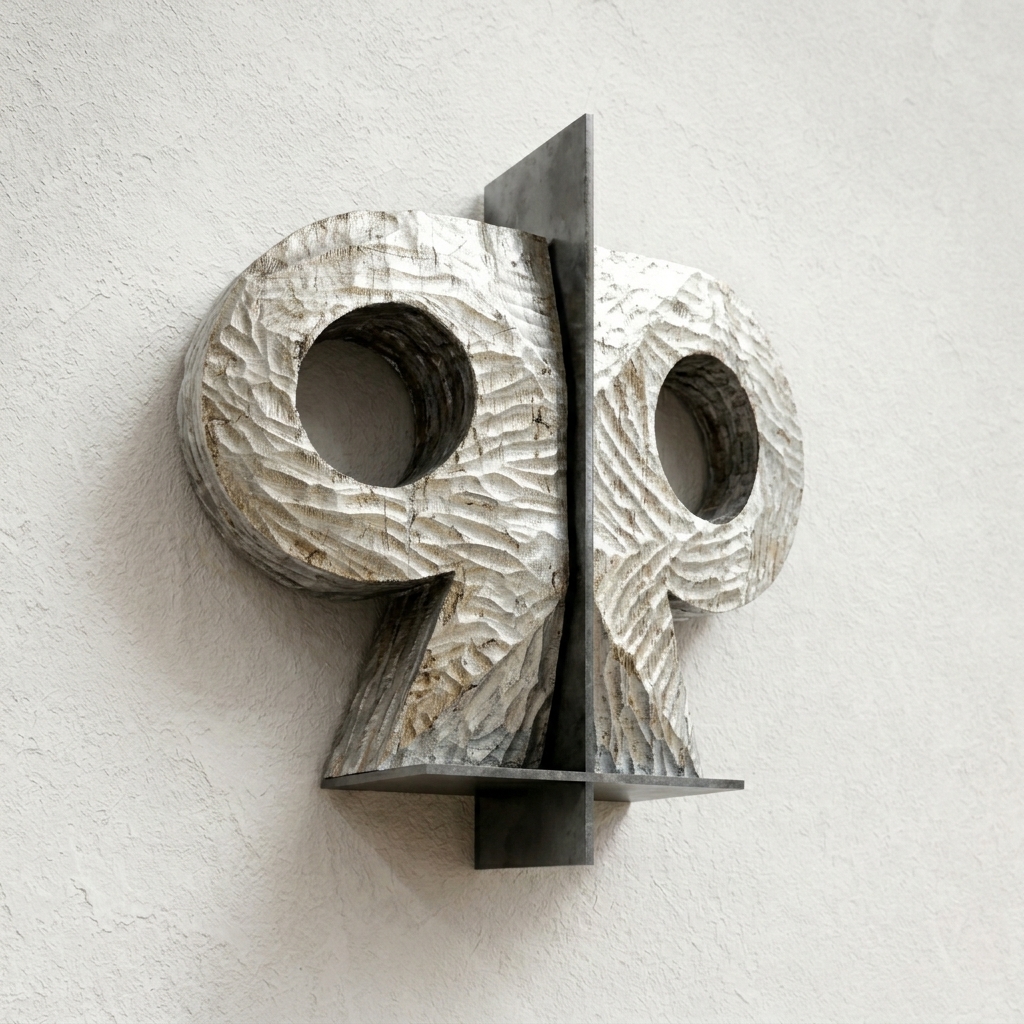
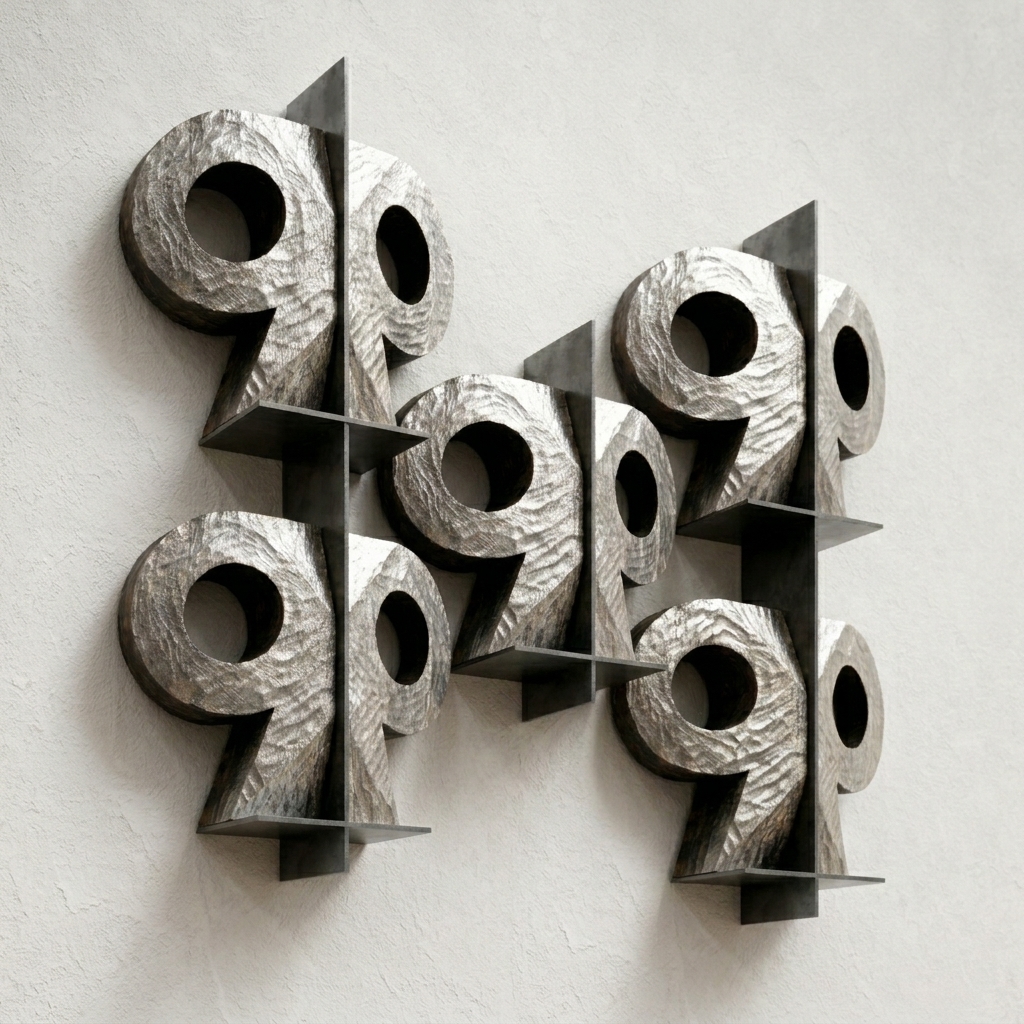
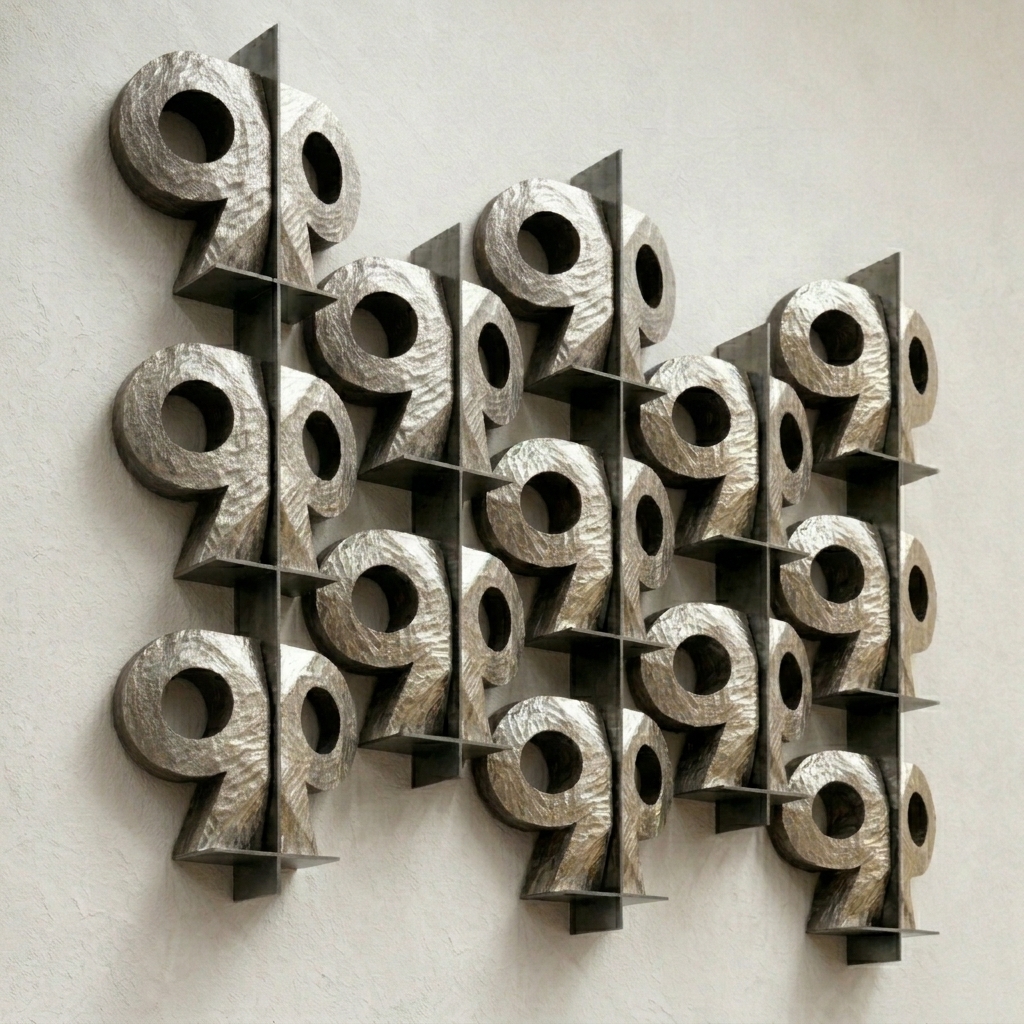
Wall sculpture inspired by the ancient Mesoamerican tzompantli. Hand-carved in cedar wood and covered with silver leaf, Neopantli Plata reinterprets one of the most representative symbols of pre-Hispanic Mexico from a contemporary perspective. Conceived as a modular system, it can be installed individually or repeated to form larger-scale compositions.
Specifications
Design
Cristóbal Ramírez de Aguilar Ramírez
Year
2026
Origin
Handmade in Mexico.
Materials
Hand-carved cedar wood.
Silver leaf.
Carbon steel with a black finish.
Technique
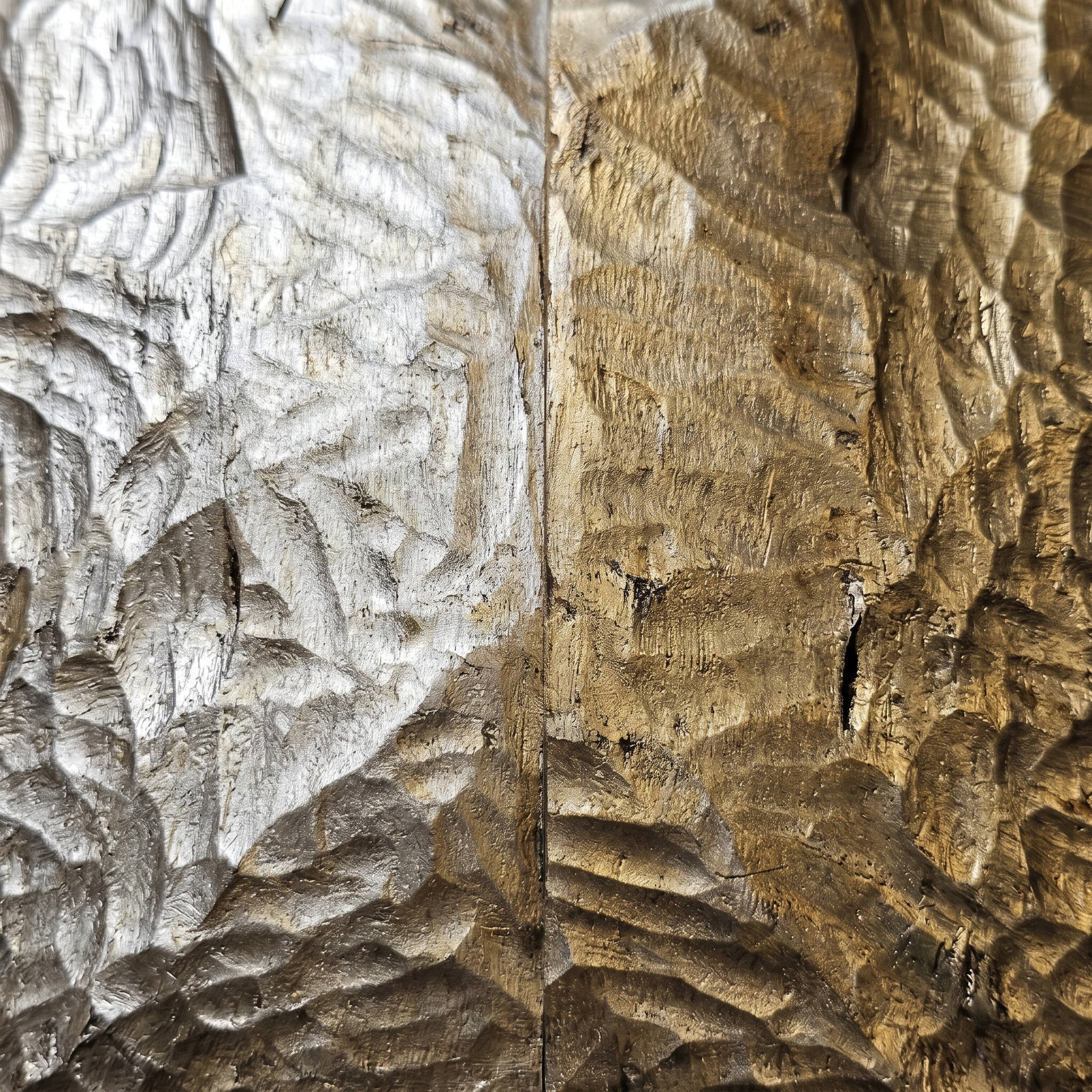
Skull hand-carved in cedar wood by a master cabinetmaker specializing in sacred art. Artisanally covered with silver leaf. Hardware fabricated in carbon steel with a concealed fastening system.
Dimensions
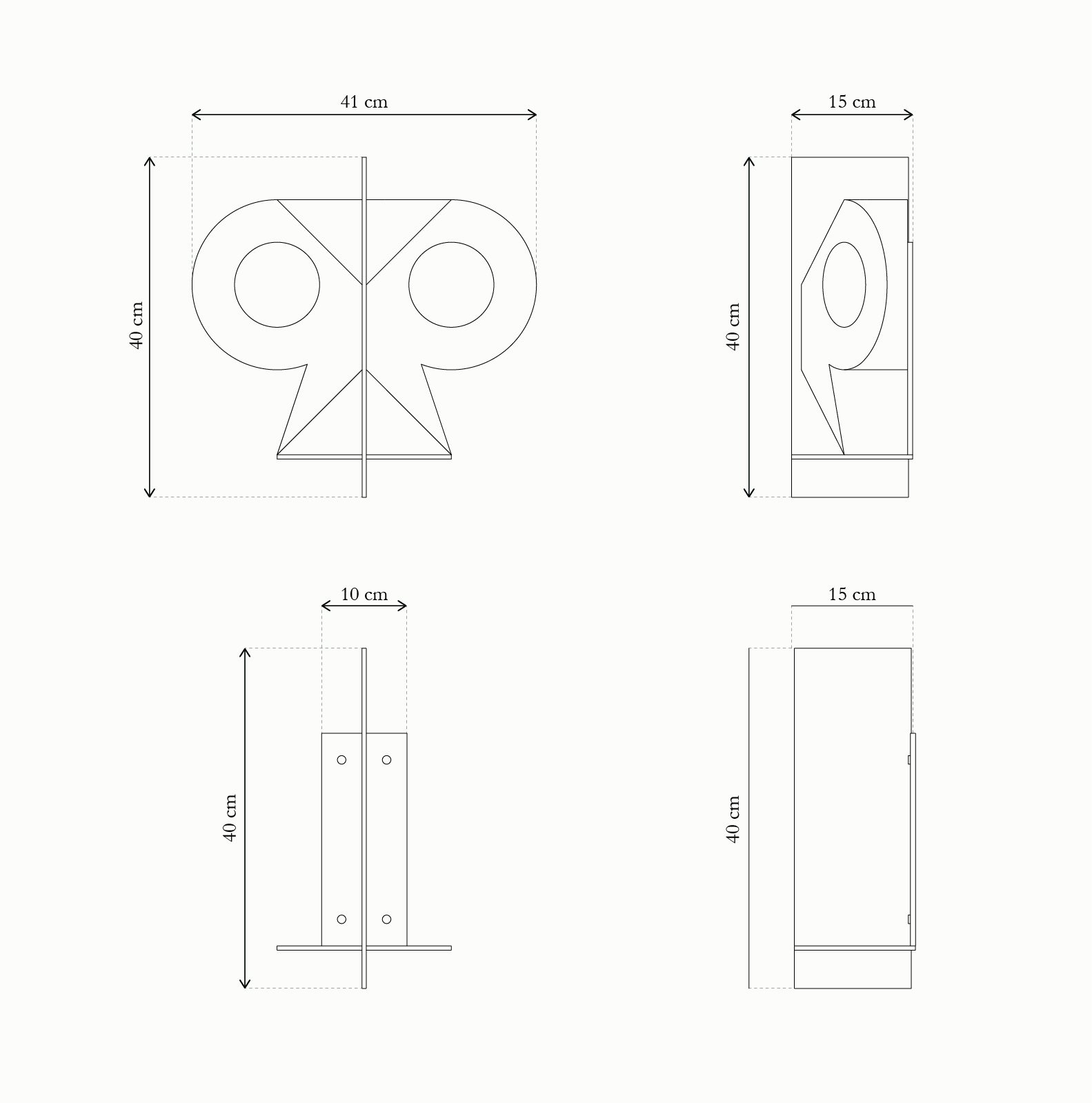
40 × 40 × 13.5 cm (width × height × depth)
System
Modular piece for individual or serial installation.
Installation
Direct wall mounting using concealed hardware.
Use
Indoor.
Variations
Each piece is made by hand. The subtle variations inherent to hand carving and the application of silver leaf make every Neopantli Plata a unique work.
Origin
What would a tzompantli look like if it had continued evolving for five hundred years?
Neopantli Plata was born from that question. It does not seek to reconstruct an object from the past, but to imagine how it might have changed over time without losing what made it recognizable.
The piece takes the ancient skull walls of the Mesoamerican world as its point of departure and finds a second reference in Wall of Skulls, by Manuel Felguérez. Between them emerges a dialogue about memory, the transformation of symbols, and the way each era gives them new meaning.
Each skull is hand-carved in cedar wood by a master cabinetmaker specializing in sacred art and subsequently covered with silver leaf. The metallic surface transforms the piece with every change of light, so that it is never perceived in exactly the same way. Deeply linked to the history of Mexico, from the mining tradition to New Spanish silversmithing, silver adds a new layer of interpretation without altering the essence of the work.
The skull rests on carbon-steel hardware whose cruciform geometry resolves the structure while proposing a second interpretation. The warmth of the wood, the brightness of the silver, and the solidity of the steel coexist within a single object as a reflection of the different cultural legacies that, far from replacing one another, ultimately shaped Mexican identity.
Conceived as a modular system, Neopantli Plata can exist as an individual piece or be repeated to form larger-scale compositions, evoking the rhythm of the ancient tzompantli through a contemporary language.
Rather than representing death, Neopantli Plata proposes a reflection on permanence. Symbols survive when they are capable of transforming without forgetting what gave rise to them.