Beijing, the city where time speaks to itself.
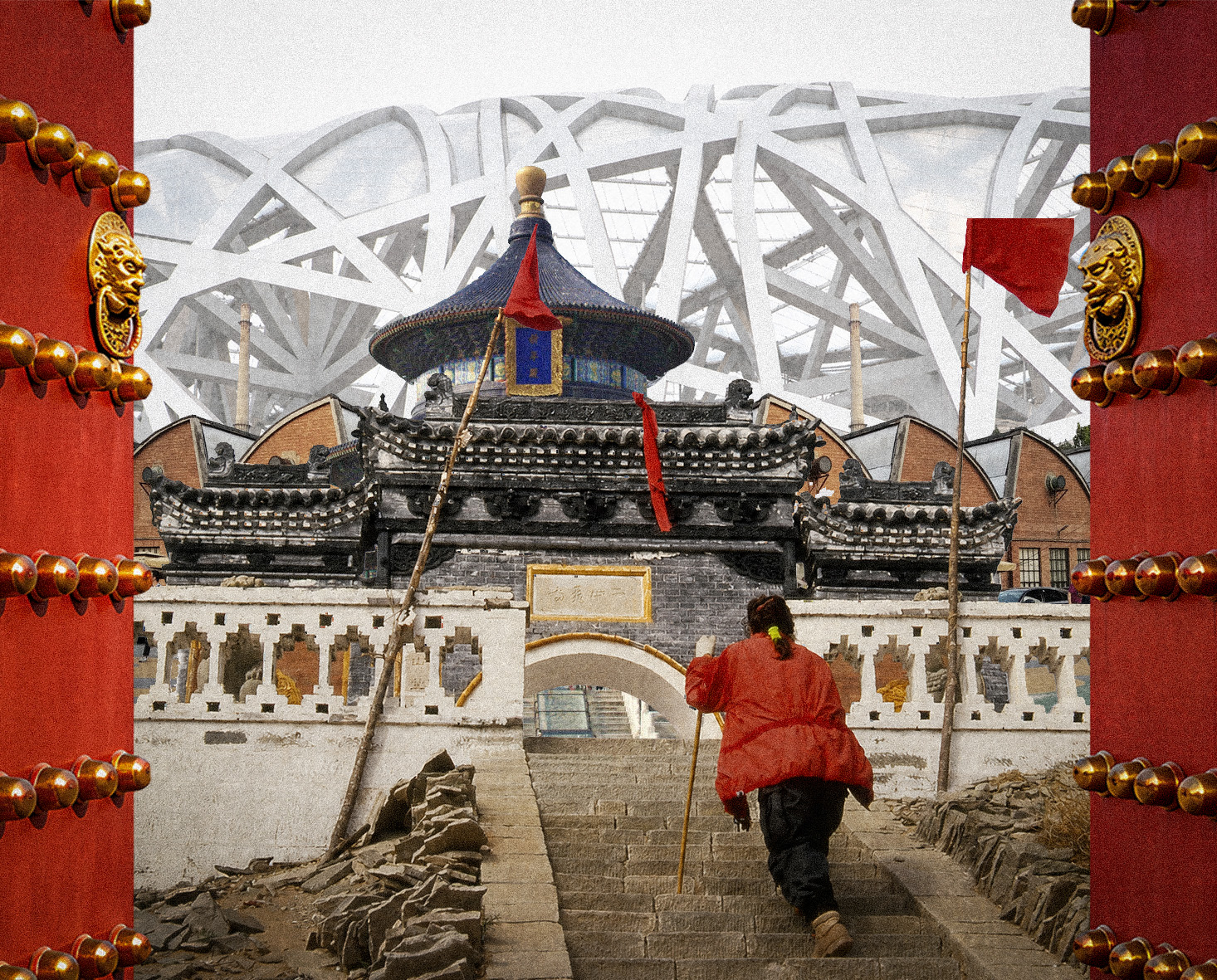
There was fog.
There was noise.
There were more people than anything I had ever experienced before.
And yet, nothing seemed out of control.
From the journey between the airport and the city, I had the feeling that I was entering a place governed by a different logic. Everything was immense: the avenues, the housing complexes, the highway interchanges, the buildings. But that immensity did not translate into chaos. Quite the opposite. There was a kind of silent discipline, as though behind every urban decision there were a collective will to bring order even to what seemed impossible to contain.
Beijing was not trying to seduce me.
It simply worked.
And perhaps that is why it intrigued me from the very first moment.
My first destination was the financial district.
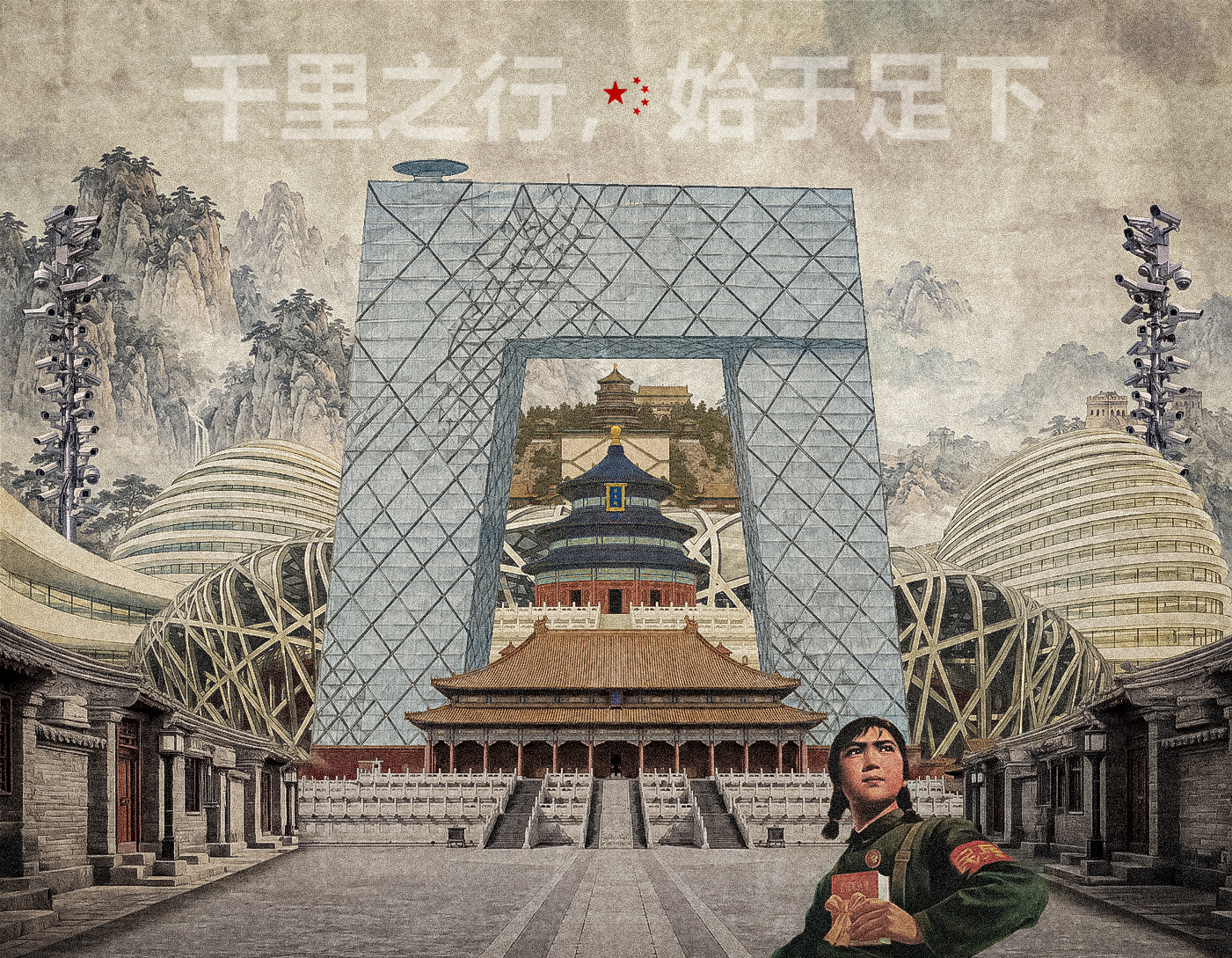
Two buildings awaited me there, buildings I had studied for years and that, long before visiting them, already held an important place in my imagination: Zaha Hadid's Galaxy SOHO and the CCTV Headquarters, designed by OMA under the direction of Rem Koolhaas.
There are buildings one knows before actually knowing them.
One has seen them so many times in books, lectures, and photographs that one believes one understands them.
Reality usually proves otherwise.
Galaxy SOHO was one of those cases.
I understood almost immediately that it is not a work of architecture that can be summarized in a single image.
It has to be walked.
The curves appear and disappear as one moves forward. The bridges connect the different volumes with a naturalness that makes one forget the enormous technical effort they required. Light bounces off the white surfaces and constantly transforms the perception of the building. It never seems exactly the same.
More than an object placed within the city, it feels like a constructed landscape.
And that was what surprised me most.
Its kindness.
I expected to find a spectacular building.
I found a generous one.
The CCTV Headquarters produced a completely different impression on me.
It is a building that carries weight.
Not only because of the thousands of tons of steel it contains, but because of the idea it supports. From a distance, it challenges every structural intuition. As one approaches, one understands that this apparent impossibility exists precisely because every piece works to support the next. Like an immense puzzle in which no element could exist without the others.
It does not try to appear light.
Nor elegant.
Its beauty comes from accepting its own complexity.
As I observed it, an unexpected association appeared.
The shape of the building—wide at the base, narrowing as it rises before meeting again in the great cantilever—reminded me of ancient Chinese walls.
Not because it imitated them.
Nor because that had necessarily been the intention of its authors.
It was an intuition.
One of those connections that appear without asking permission.
Both conveyed the same sense of stability.
Of permanence.
As though even the most radical architecture ultimately entered into dialogue, consciously or unconsciously, with memories far older than itself.
The next day, we began visiting the temples.
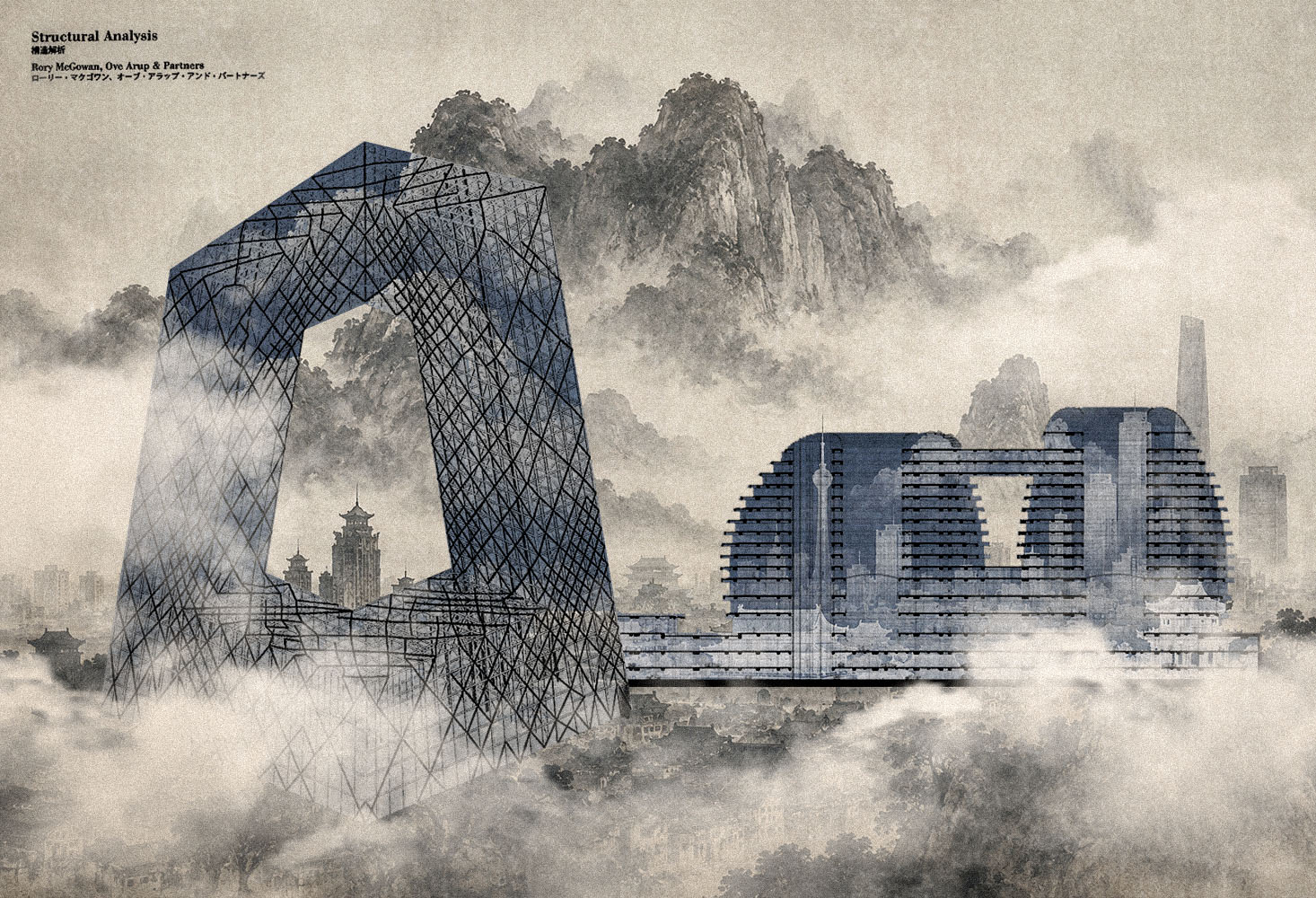
The first was the Temple of Confucius.
It surprised me precisely because it was not trying to surprise.
Everything seemed to have been built from proportion.
From measure.
From balance.
The courtyards.
The pavilions.
The cypress trees.
The roofs.
Nothing sought attention on its own.
It was the whole that produced a serenity difficult to explain.
As I walked, I thought that perhaps architecture can also educate character.
Not through speeches.
Nor through grandiose symbols.
Simply by teaching us another way of moving through space.
There was calm.
But also discipline.
As though the two were inseparable.
A few hours later, we arrived at the Lama Temple.
And the contrast was absolute.
If the Temple of Confucius seemed to have been built from silence, the Lama Temple seemed to have been built from the senses.
The intense red of the wood.
The gold.
The fabrics.
The smoke of incense.
The metallic sound of the bells.
People bowing their heads before continuing with their day.
There, I understood something I had never considered before.
Spirituality is not always born from silence.
Sometimes it appears precisely in the repetition of everyday gestures.
A hand lighting incense.
A monk walking among tourists without changing the rhythm of his steps.
Someone stopping for a few seconds to pray before returning to the bustle of the city.
The architecture did not separate the human from the sacred.
It allowed them to coexist.
Afterward, we walked through the hutongs.
And I think they ended up becoming one of my favorite places in all of Beijing.
Their narrow streets.
The dark brick walls.
The bicycles leaning against the façades.
The open doors.
The laundry hanging out to dry.
Someone cooking.
A neighbor repairing a bicycle.
Life happening just inches from the sidewalk.
There was an honesty that is difficult to find in many contemporary cities.
The color of the bricks especially caught my attention.
That almost black tone that no manufacturer can produce.
Time produces it.
The rain.
The dust.
The winters.
The hands.
The years.
No architect can specify that finish in a technical description.
It is a collective work.
Slowly built by entire generations.
As I walked, I understood something I have continued to think about ever since.
Human scale is rarely born from a drawing.
It is born from time.
The hutongs survive not only because they are heritage.
They survive because they are still home.
And that difference changes absolutely everything.
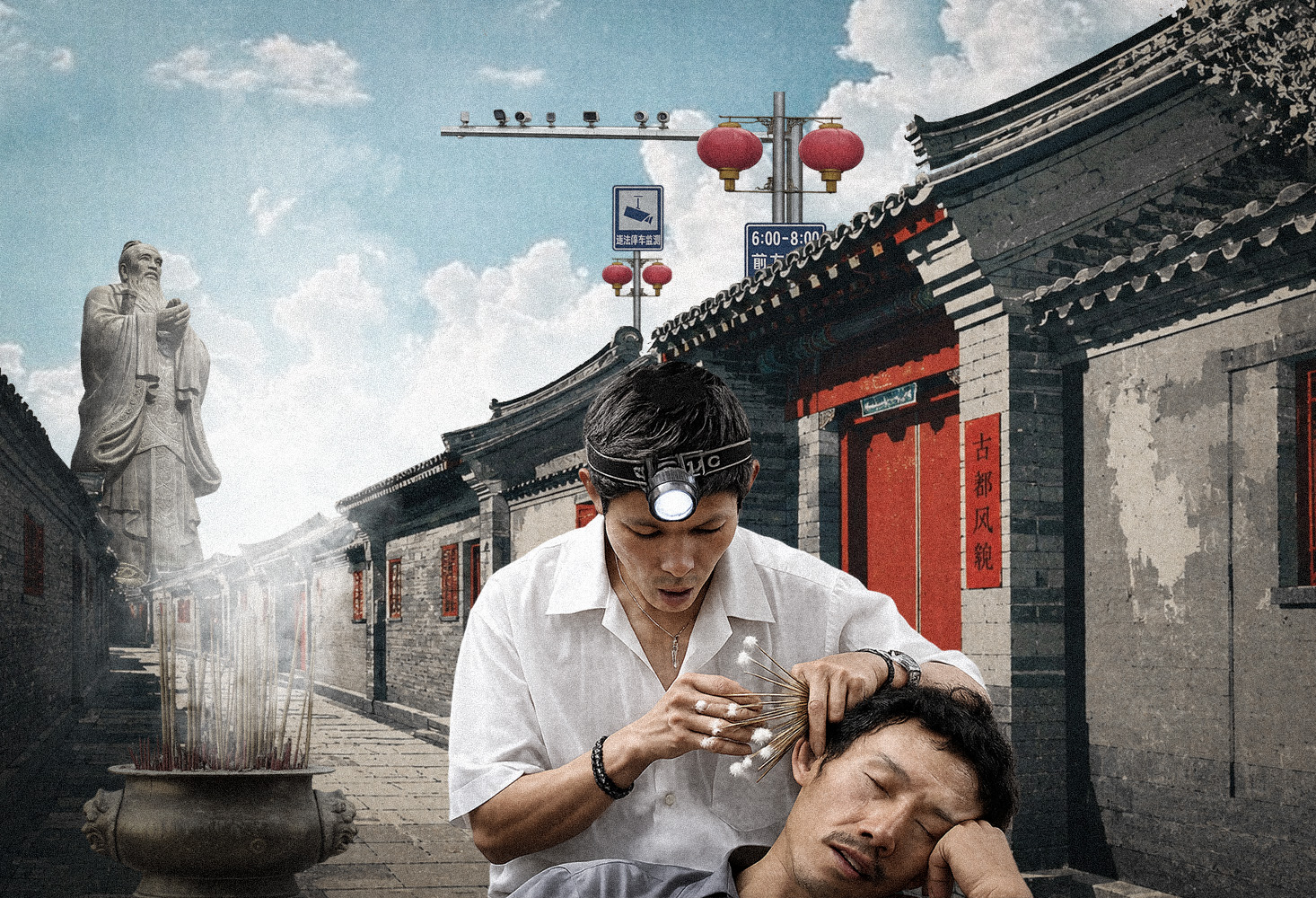
The Forbidden City represented the opposite extreme.
Its scale is impossible to understand until one begins to walk through it.
Courtyard after courtyard.
Gate after gate.
Axis after axis.
The architecture seems deliberately to construct a distance between power and those who visit it.
Everything is aligned with almost obsessive precision.
Geometry organizes not only the space.
It also organizes the experience.
As I moved along its main axis, I thought about how much contemporary architecture continues to pursue exactly the same ambition.
To impress before welcoming.
I am not sure that is a flaw.
I simply understood that there are forms of architecture that embrace.
And others that prefer to observe you from a certain distance.
The next day, we visited the Temple of Heaven.
If the Forbidden City speaks of power over the earth, this place seems to speak of the relationship between human beings and the universe.
And yet, what I remember most was not the symbolism.
It was the emptiness.
The enormous distances between one building and another.
The air.
The sky.
The feeling that the true protagonist was not the temple, but the space surrounding it.
Sometimes we forget that architecture also consists of deciding what not to build.
That same afternoon, we arrived at the 798 Art District.
After so many ceremonial spaces, entering former factories converted into galleries felt almost like a relief.
The walls retained their scars.
The installations seemed temporary.
Some exhibitions even gave the impression of still being unfinished.
And that was precisely why I liked it so much.
It reminded me that a city also needs places where ideas can make mistakes before becoming certainties.
Perhaps that is why I felt that 798 had something in common with the hutongs.
Not in its architecture.
But in the way it remained alive.
The next day, we visited the Great Wall.
I had seen thousands of photographs.
None truly prepares you for walking along it.
The steps constantly change in size.
The slope is never the same.
The wall seems to adapt to every movement of the mountain instead of trying to dominate it.
That was what impressed me most.
It does not conquer the landscape.
It accompanies it.
Like a river of stone that decided to follow exactly the path geography allowed it.
As I walked, I thought about the generations who participated in its construction.
And I understood that the true greatness of a work does not always lie in its size.
Sometimes it lies in the amount of human time contained within it.
That afternoon, we visited the Bird's Nest.
During the day, it impresses through the clarity with which the structure explains the building.
Everything seems logical.
Everything seems inevitable.
But when night falls, something different happens.
The lighting transforms that immense network of steel into a kind of lantern suspended within the city.
The project achieves something uncommon.
It feels profoundly technological.
And at the same time profoundly handcrafted.
As though every piece had been woven rather than assembled.
It was one of the few occasions when I understood that precision can also be moving.
We ended the journey at the Summer Palace.
After so many extraordinary buildings, that place seemed to have no need to prove anything at all.
The gardens.
The lake.
The wooden corridors.
The pavilions.
The light reflecting on the water.
The sound of footsteps.
Everything existed with an almost disarming naturalness.
I walked for hours without feeling any rush.
And I understood something that may seem obvious, but that few cities appear to remember.
Every great city needs a place where it can stop displaying its power.
I arrived in Beijing thinking I was going to see some of the most important buildings in contemporary architecture.
I ended up discovering something far more interesting.
A permanent conversation between time, tradition, and everyday life.
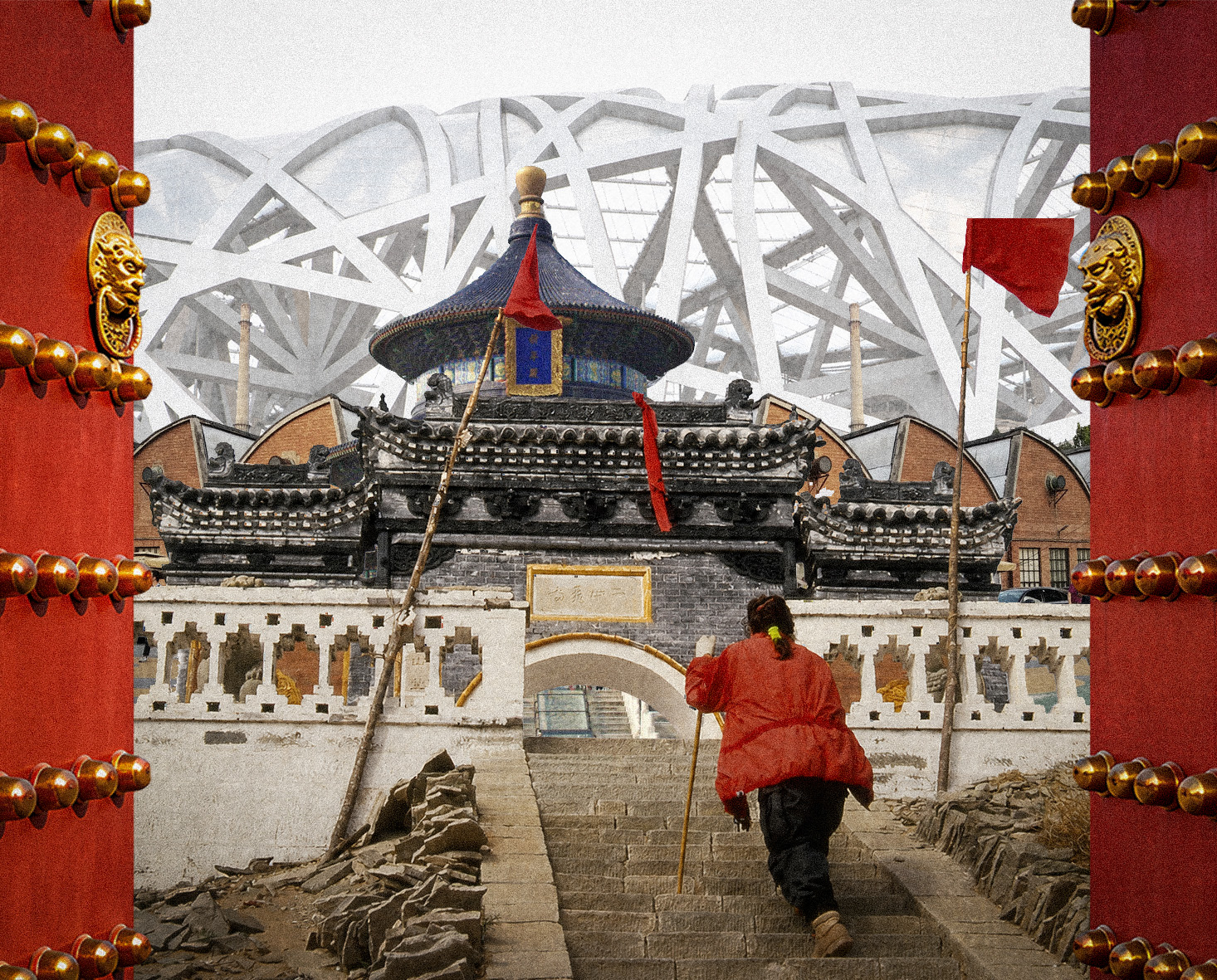
From Zaha Hadid's fluid curves to the blackened bricks of the hutongs.
From the ceremonial geometry of the Forbidden City to the experimental freedom of the 798 Art District.
From the interwoven steel of the Bird's Nest to the worn stones of the Great Wall.
Everything seemed to respond to the same question.
How do we build something capable of outliving us?
I did not return with an answer.
I returned with a suspicion.
Architecture endures not only because it withstands the passage of time.
It endures when it stops being a building and becomes part of the memory of those who inhabit it.
And perhaps that was what I truly found in Beijing.
Not a collection of great works.
But a city where time, far from erasing architecture, ultimately completes it.