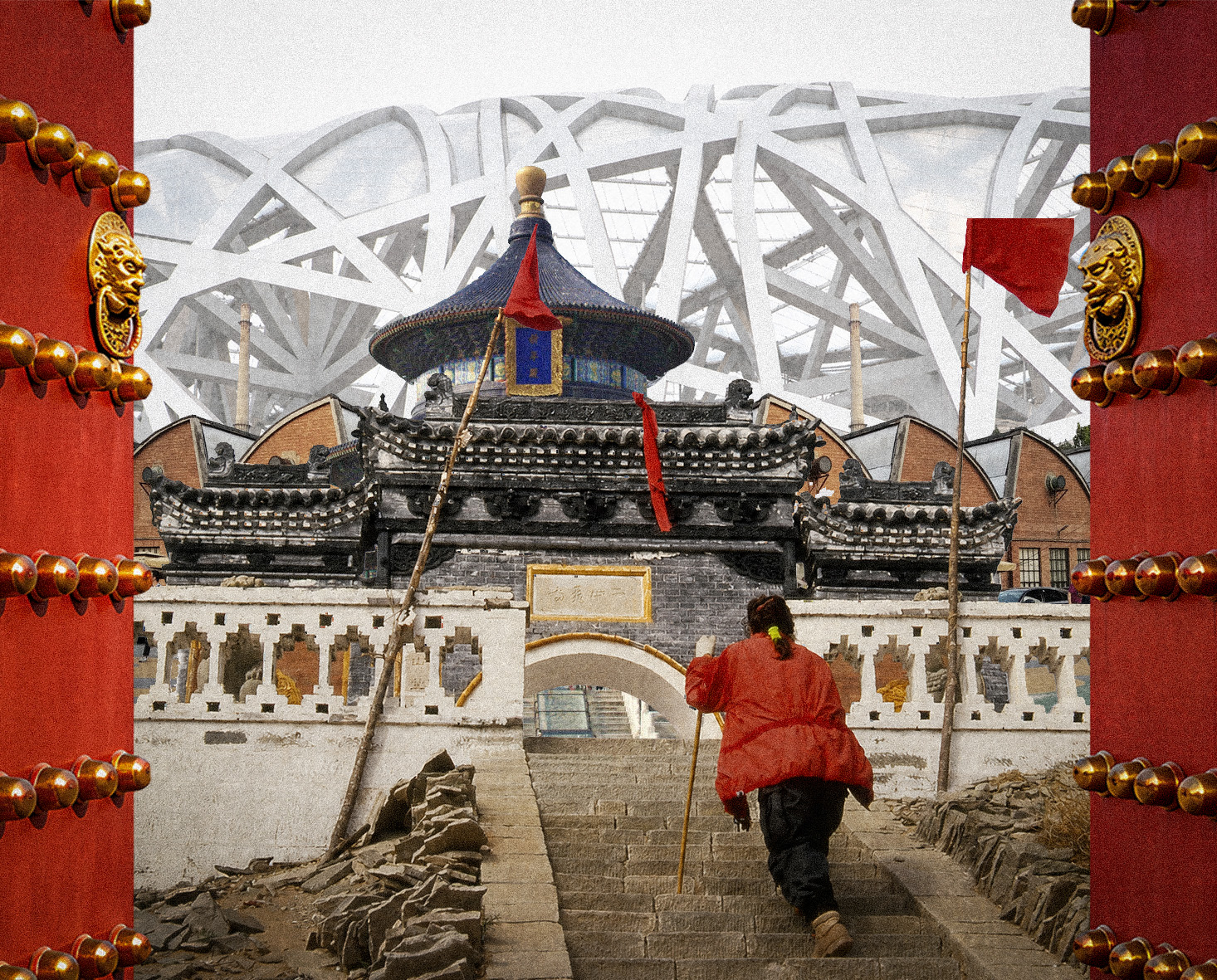
Pingyao, Tradition Sheltered by a City Wall
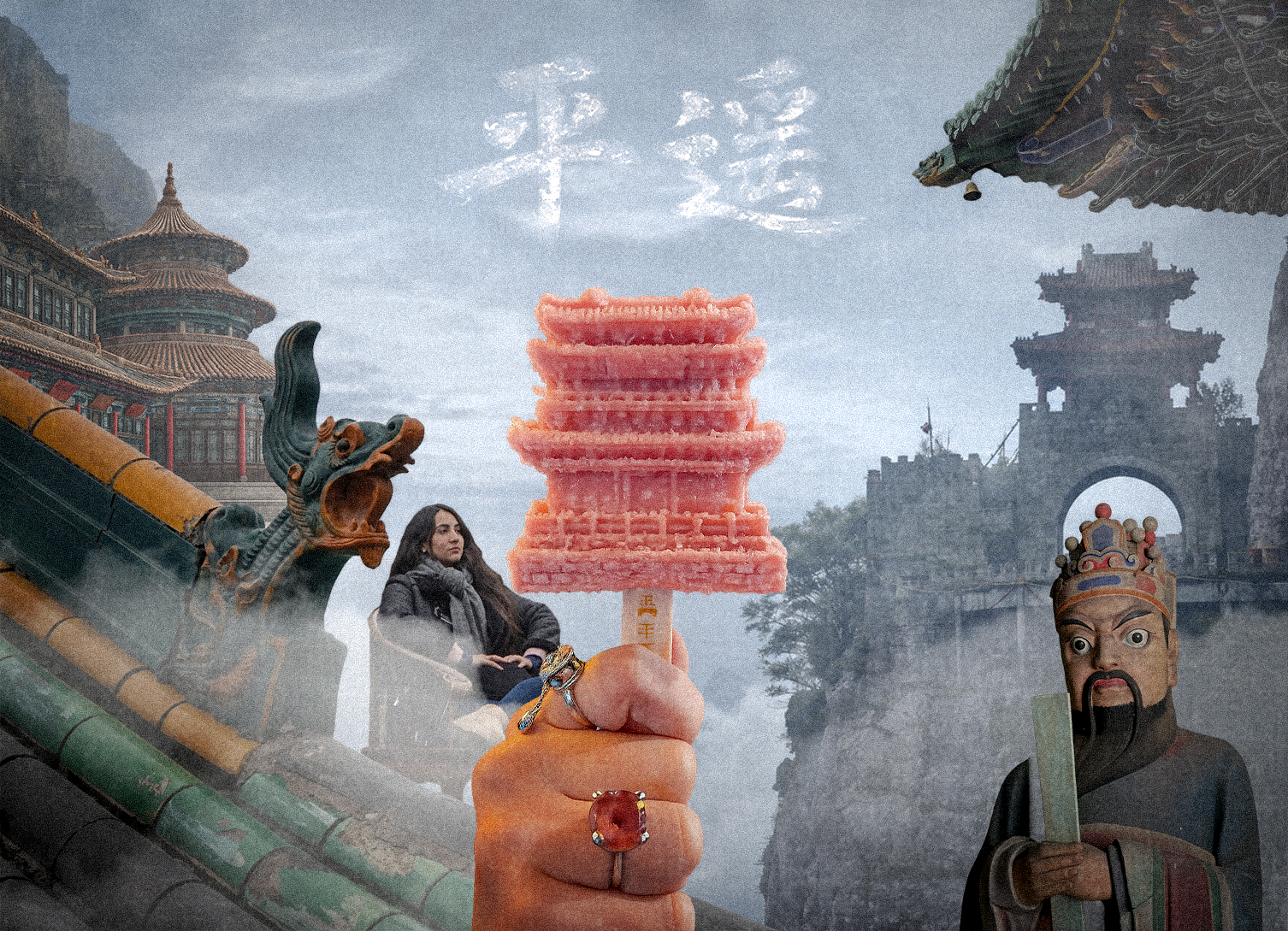
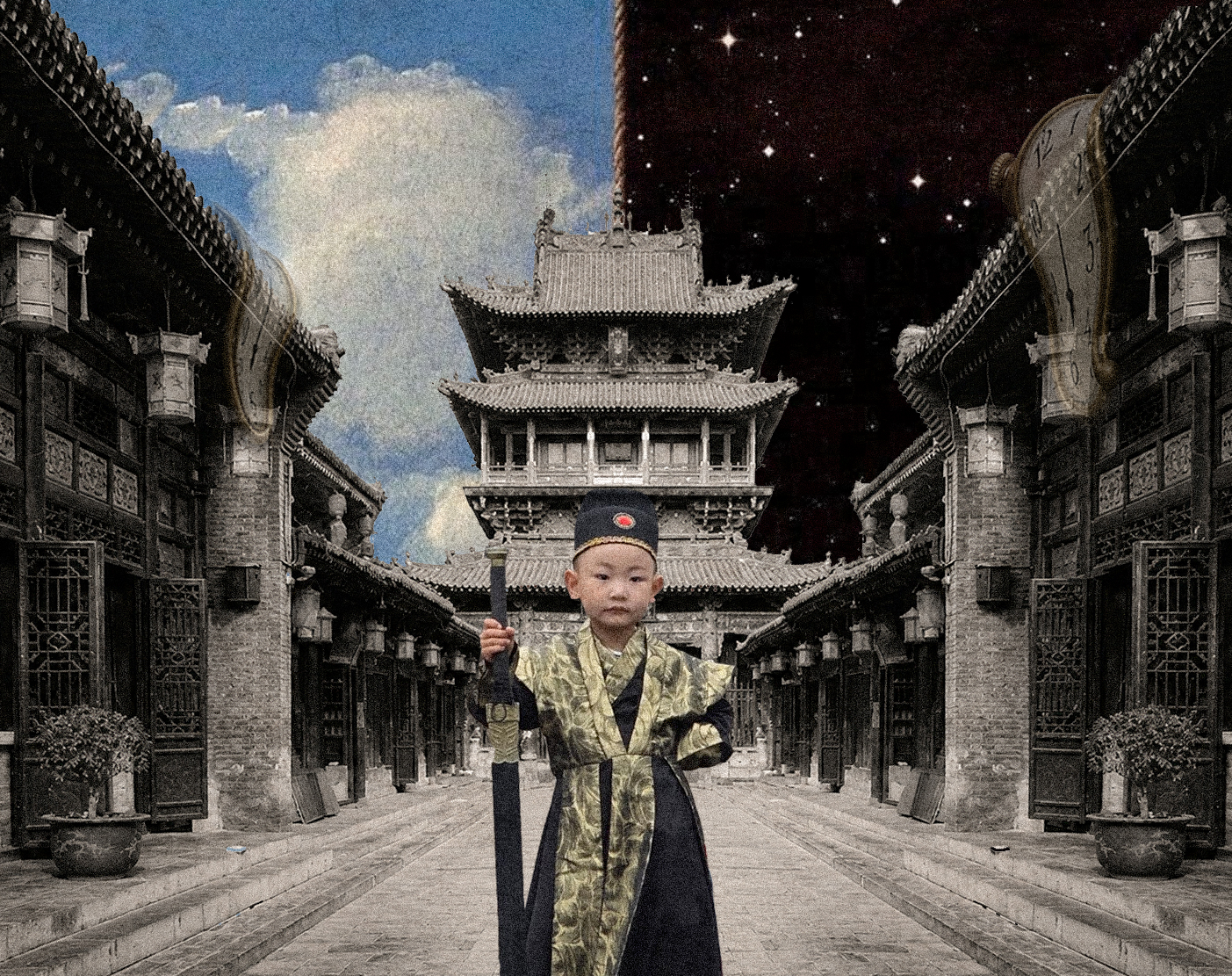
 We almost missed the train to Pingyao.
We ran through the station with our suitcases bouncing behind us, checking the time again and again as the platform seemed farther away than it really was. When we finally boarded the train, still catching our breath, none of us imagined that the rush would become the perfect prologue to arriving in a city where time seems to have decided to walk more slowly.
After the monumental scale of Beijing, Pingyao immediately felt different.
Closer.
More contained.
More human.
The station was small, and the journey into the city followed a quiet road that ended in front of an enormous wall of dark brick. Crossing it produced a strange sensation. It was not that everything changed all at once; we were still in China. But a few steps were enough to feel that the rhythm was different.
Inside the walls, cars practically disappear.
The bicycles remain.
The small electric carts.
The sound of conversations.
The murmur of open shops.
Everyday life.
The first thing that surprises you about Pingyao is that it does not seem like a city prepared to be observed. It seems like a city occupied with continuing to live.
The shops open like they do every morning. Neighbors cross the streets carrying market bags. Someone arranges merchandise in front of a doorway while tourists pass by taking photographs. No one seems particularly interested in them.
Perhaps that is why the city feels so convincing.
It does not feel like a historical stage carefully preserved for visitors. It gives the impression of being a place that never stopped fulfilling its purpose and that, precisely because of this, has aged with a naturalness that is difficult to manufacture.
The stone streets, black tile roofs, and brick walls darkened by centuries convey an uncommon calm. Among open workshops, small shops where artisanal vinegar is still sold, and temples wrapped in dim light, I understood that time had not stopped here.
It had simply stopped drawing attention to itself.
We climbed the wall and walked along part of its perimeter.
From above, the city appeared as an immense tapestry of gray rooftops. No building seemed to want to impose itself on the others. They all participated in the same composition, as though they had accepted that the value of the city depended far more on the whole than on its individual parts.
I then thought about how different our relationship with time usually is.
We often restore in order to erase.
We renovate in order to conceal.
We replace in order to forget that things age.
In Pingyao, exactly the opposite happens.
The cracks remain.
The stones retain the wear of millions of footsteps.
The wood still displays the marks left by entire generations of hands.
None of this seems to be interpreted as a flaw.
Instead, it gives the impression that part of the place's value lies precisely there.
Not because wear is beautiful in itself, but because it makes visible the fact that the city has continued to be inhabited.
There is an enormous difference between preserving a building and preserving a way of life.
As night fell, Pingyao changed again.
The red lanterns began to light up one by one over the alleyways.
The air smelled of charcoal, freshly prepared noodles, and spices.
The tables began to fill.
The children kept playing.
The shopkeepers continued serving their last customers.
There was bustle, but it had a serenity that was difficult to explain. Even the noise seemed to have found a different rhythm.
We had dinner without much hurry.
Afterward, we wandered without a destination.
And we ended the day with a foot massage.
It may seem like a minor detail, but in a city where everything invited you to slow down, even that gesture ended up feeling completely natural.
The next day, we visited Mount Mianshan.
The temples suspended over the cliffs seemed to defy gravity with disconcerting ease. From certain angles, the complex had something theatrical about it, as though someone had imagined that architecture before building it.
But it was enough to look up to remember the scale of the mountains.
Before them, the temples stopped appearing monumental.
They simply found their place.
Back in Pingyao, we walked through the same streets again.
The red gates.
The blackened walls.
The tile roofs.
The courtyards hidden behind discreet façades.
And I began to understand what made this city different.
It was not only its age.
It was the fact that its age continued to form part of everyday life.
In many places, heritage ends up becoming a stage that one visits for a few hours before returning to the present.
Here, heritage is still the present.
The houses remain inhabited.
The shops remain open.
The neighbors continue meeting in the same streets.
History does not appear behind glass.
It walks beside the person who goes out in the morning to buy bread.
When we left Pingyao, we crossed the wall once again and returned to the accelerated rhythm of trains, immense stations, and cities that never stop growing.
A few hours later, everything was moving quickly again.
But for a couple of days, we had known a place that seemed to have no need to run.
And as the train pulled away, I thought that perhaps this was the most difficult way to preserve a city: not to keep its buildings intact, but to ensure that, after so many centuries, they continued to serve as the setting for everyday life.